
Teaching Audiences How To Work On Their Love Lives
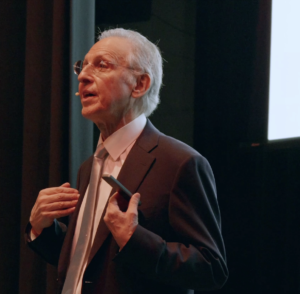
“There is nothing better than a room full of people interested in love!” This is my opening line whenever I’m face to face with an audience of people interested in my presentation – “Disappointing Love Life and how to fix it.” The prospect of teaching a group of people how we learn to love and how unhealthy learning about love relationships can be corrected is a joy beyond words. My presentation starts off with a bit of a shocking realization that “most of us” are not in control of our love lives. What that simply means is a lot of people are unaware of what they’ve learned about love relationships over the course of their lives and how what they’ve learned is in control of what they experience in their love lives, healthy or unhealthy.
The proof that this is in fact true can be easily found in current divorce statistics. Fifty percent for first marriages, 60% for second marriages, and a whopping 73% for third marriages, and if you add the percentage of repetitive unmarried breakups, and who knows how many that is, I think that makes “most of us.” The only way to understand these relentless percentages is to assume that people are making the same love life mistakes over and over again in their love lives.
So, what’s in control of our love lives? The answer is simply, what we unconsciously learn about love relationships over the course of our lives. A follow-up question would be: How does what we unconsciously learn about love relationships control our love lives? The answer to that question is unconscious learning about love can recreate the experiences that taught us. If what we’ve learned is healthy, all well and good. If what we’ve learned is unhealthy, there will no doubt be trouble in paradise. We will probably recreate the unhealthy relationship experiences we’ve been exposed to in our lives without even knowing it. By the way, all of this learning, and the relationship experiences that created the learning, is stored in what I like to call the Psychological Love Life. Changing your Psychological Love Life, and we all have one, makes permanent improvements in your love life experiences.
Once an audience understands the importance of what we’ve unconsciously learned about love relationships, reinforced by the fact that they have a Psychological Love Life that can recreate unhealthy relationship experiences, they are now ready to learn how unhealthy learning about love relationships can be “unlearned” and something healthier learned. Motivated by a strong desire to stop repetitive hurtful unhealthy behaviors, beliefs, and feelings from controlling their love lives, audience members at this point are focused on the “fix.” Dividing up my Unlearning Method into three simple steps helps keep the solution easy to understand and applicable to most people’s love lives.
Step 1 involves identifying what was learned about love relationships using what I call a Love Life Review. Step 2 involves using that newly formed consciousness to challenge the unconscious repetition of unhealthy beliefs, behaviors, and feelings in love relationships. Step 3 is the correction of what was learned that is unhealthy with opposite healthy relationship experiences, practiced first in the imagination, and when ready, in what a person comes to believe about love relationships and how the person actually behaves and feels in a love relationship. The Q & A that comes after a presentation is an opportunity to interact with receptive (and defensive) audience members in ways that reinforce and clarify the dramatic effectiveness of this psychological way of working on our love lives.
Comments welcome…
Dr. Thomas Jordan, clinical psychologist, psychoanalyst, psychological disability consultant, speaker, and author of the award-winning book, Learn to Love: Guide to Healing Your Disappointing Love Life. Presentations and telehealth Love Life Consultations available upon request. Contact: 212-875-0154 or drtomjordan@lovelifelearningcenter.com for inquiries. Visit my speaker page at lovelifelearningcenter.com/speaker